How to choose a healthy snack box that suits you
Monthly snack boxes vary by ingredients, portion size and flexibility.
On this page
Choosing the right snack box comes down to a few practical questions. Are the snacks something you will actually eat, do the portions fit how you snack, can the box handle your dietary needs, and does the monthly cost make sense for your routine? A good subscription should make healthier choices easier, not leave you with a cupboard full of bars and crisps you never wanted.
If you are looking at a monthly healthy snack subscription in the UK, the best approach is to compare what is really inside the box, how often it arrives, and whether the health claims stand up when you read the label. The right choice is less about marketing and more about fit. The box needs to suit your working day, your household, and the way you genuinely eat.
What a monthly healthy snack subscription actually includes
Most snack subscriptions in the UK work on a simple model. You choose a plan, pay monthly, and receive a box of individually packed snacks on a set schedule. In many cases, you can choose between a one off purchase, a rolling monthly plan, or a longer commitment with a lower monthly rate. The details vary, but the structure is usually straightforward.
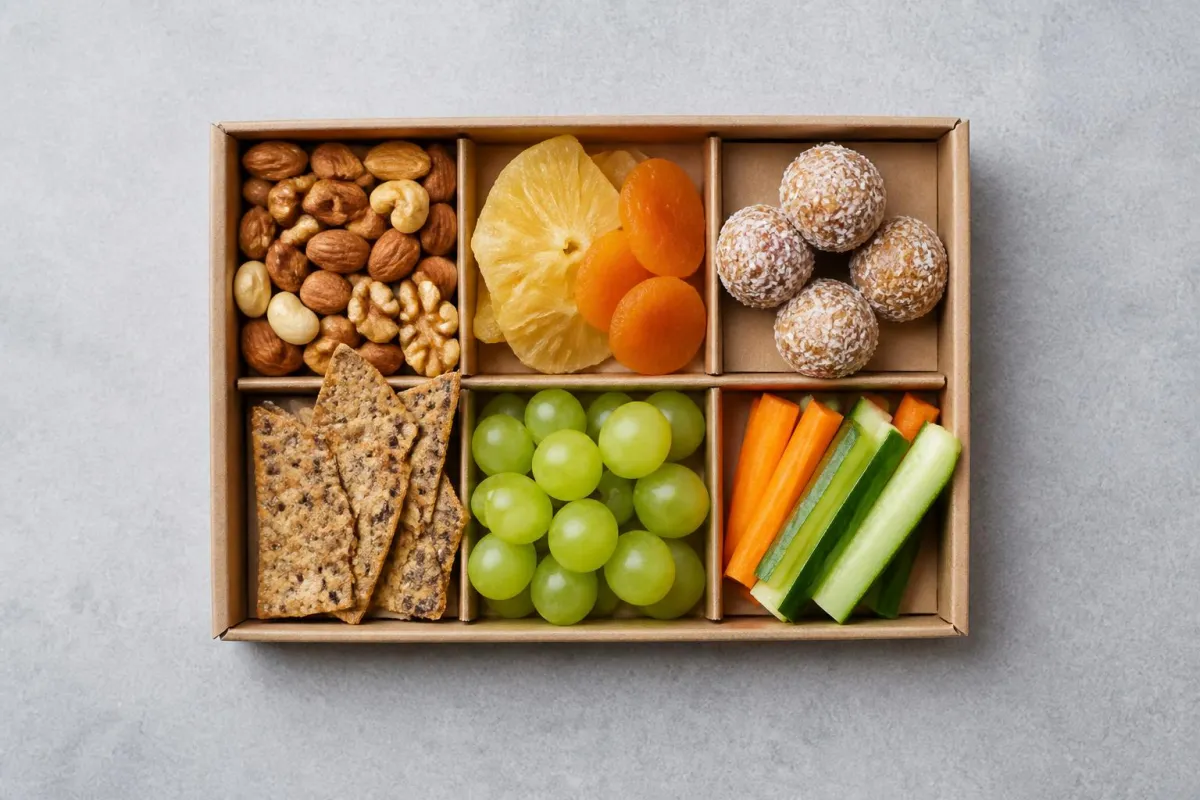
A typical box often includes a mix of sweet and savoury items such as nuts, popcorn, oat bars, dried fruit, rice cakes, protein snacks, baked crisps, fruit bites, dark chocolate treats, and occasionally drinks or breakfast items. Some subscriptions focus on discovery, so you get a changing selection each month. Others are more customisable, letting you pick categories, exclude certain ingredients, or build your own box from a set list.
In the UK, you should expect clear information at the point of sale about recurring payments, renewal terms, and cancellation. If the subscription renews automatically, that should be stated before checkout. You should also be able to see delivery charges, dispatch timing, and any cut off date for making changes before the next box is prepared.
The most useful subscriptions also explain whether products are full size, mini, or sample size. That matters. A discovery box can be enjoyable, but if you need weekday snacks for work, sample packs may not be enough. Likewise, if you are ordering for a family or shared office, the number of items in the box matters more than the number of brands featured.
Some companies curate boxes around a theme. You may see options for vegan snacks, high protein snacks, lower sugar choices, gluten free products, or office snack boxes. Others are broader and designed for general healthy eating. Neither model is better by default. It depends on whether you want variety or a tighter match to a specific goal.
A practical point many people miss is shelf life. A monthly box should contain products that will comfortably last until your next delivery, unless you know you will get through them quickly. If a box includes fresh items, chilled products, or short dated snacks, that should be made clear in advance.
Who benefits most from a snack subscription
A snack subscription suits people who want structure. If your week is busy and you often end up buying whatever is nearest at a petrol station, supermarket till, or office vending machine, a regular box can reduce last minute choices. Having better options already at home, at your desk, or in your bag usually makes a bigger difference than good intentions alone.
It can work especially well if you:
- skip meals and then over-snack later
- commute and need portable options
- work shifts and cannot rely on regular meal breaks
- want to avoid buying multipacks that disappear in two days
- like trying new brands without buying full boxes first
- need snacks that fit a dietary pattern such as vegan, gluten free, or higher protein
Home workers often benefit because grazing is easy when the kitchen is always nearby. A snack box can help if it gives you portioned choices that are more balanced than repeatedly reaching for biscuits or toast. Office workers benefit for the opposite reason. You may have limited options nearby, or rely on whatever is available during a rushed lunch break.
Parents can also find a subscription useful, but only if the contents suit the household. A box aimed at adult wellness trends may not help if you really need lunchbox-friendly snacks that children will eat. Equally, if several people will share the box, you need more than a handful of products with strong flavours or niche ingredients.
A subscription is less useful if you already shop very deliberately, batch buy your staples, and know exactly what snacks you prefer. In that case, a curated box may feel expensive compared with buying your regular items directly. It may also be a poor fit if you have multiple severe allergies and cannot rely on broad filtering.
The key question is not whether subscriptions are good in general. It is whether a recurring box removes friction in your own routine. If it saves time, reduces impulse buying, and gives you options you genuinely reach for, it can be worthwhile. If it creates waste, duplication, or decision fatigue, it probably is not.
What to compare before you subscribe
Before signing up, compare the box as if you were doing a normal grocery check. Nice branding is not enough. The details that matter are ingredients, nutrition, allergens, value, and delivery terms.
Start with the ingredient list. In the UK, prepacked foods must provide an ingredients list, with allergens emphasised clearly, usually in bold. If a subscription does not show enough information about the products it sends, that is a problem. Allergen information must be available before you buy food online and when it is delivered. Check each item's information before ordering, including how substitutions are handled, and check each label again before eating. See the Food Standards Agency guidance on allergen information.
Look closely at:
- added sugars and syrups
- sweeteners if you prefer to avoid them
- saturated fat, sugars and salt per 100g and per portion
- protein sources, especially if you avoid dairy or soy
- fibre content
- caffeine in bars, drinks, or chocolate products
- artificial flavourings or colours if those matter to you
Allergens deserve a separate check. If you have a food allergy, read the policy on substitutions and packing. There is a difference between a box that is “free from” a certain ingredient and one that simply includes some products without that ingredient. Cross contamination warnings also matter. In the UK, allergen rules are strict for prepacked food, but a subscription service still needs to communicate clearly about what is in the box and what may be handled by manufacturers.
If you are comparing gluten free options, remember the legal distinction. In the UK, “gluten-free” is a regulated claim for foods meeting the required threshold. A snack that contains no obvious wheat ingredient is not automatically a gluten free product. The same principle applies to claims such as “no added sugar”, “high protein”, and “source of fibre”. These claims have specific conditions behind them.
Price comparison should go beyond the headline monthly rate. Check:
- how many items are included
- whether delivery is included
- whether premium boxes contain larger products or just more branding
- whether there is a minimum term
- whether you can pause a month
- whether cancellation is immediate or only after the next billing date
Delivery terms matter more than many people expect. If you travel often, work irregular hours, or live in a flat where parcels are hard to receive, make sure the service offers practical options. A snack box should be convenient, not another parcel to chase. Treat fulfilment as part of the subscription service. The same principles behind reliable parcel delivery for recurring orders apply here. Consistency matters.
Also check whether the provider offers a clear account area for changes to address, timing, and preferences. If a subscription is hard to manage, people tend to cancel it quickly. Good online services usually make room for simple order updates and delivery management because recurring purchases depend on flexibility.
How to tell if a snack box is genuinely healthy
“Healthy” is one of the loosest words in food marketing, so you need to go past the front of pack claims. A box is not automatically healthy because it is vegan, organic, natural, high protein, or sold in earthy coloured packaging. The real test is the overall balance of the products and whether they support the way you want to eat.
Start with the nutrition label. In the UK, most prepacked foods show energy, fat, saturates, carbohydrate, sugars, protein, and salt per 100g, and often per portion. Use both. Per 100g helps you compare similar products. Per portion tells you what you are likely to eat in one go.
A genuinely healthy snack box usually has variety across the month, not just one nutritional angle. For example, a box full of protein bars may look “fit”, but it can still be repetitive, highly processed, and surprisingly high in sugar or sweeteners. Equally, a box full of dried fruit and fruit bars may sound wholesome while delivering a lot of concentrated sugar with little protein or fat to keep you full.
Look for a mix such as:
- nuts and seeds for fats, fibre, and satiety
- wholegrain snacks for sustained energy
- bean, lentil, or pea based savoury items
- lower sugar bars, compared using the nutrition label
- fruit based snacks in sensible portions; the NHS advises keeping dried fruit to mealtimes because it can stick to teeth and contribute to tooth decay
- occasional treats, rather than every item being positioned as a treat
Portion size is one of the clearest clues. A snack can be nutritionally decent and still be too large for the role it is meant to play. If the box is built around oversized bars and share bags, it may not help with balanced snacking. On the other hand, extremely tiny portions can leave you unsatisfied and reaching for something else straight away.
Watch for halo claims. “Natural”, “plant-based”, and “source of protein” can all describe products that are still high in salt, sugar, or calories for their size. “No refined sugar” may simply mean the product uses date paste, coconut sugar, or syrup instead. That may suit some people, but it is not automatically a healthier outcome.
It is also worth checking how many items are sweets in disguise. There is nothing wrong with including some chocolate covered nuts or flapjack style bars, but if most of the box is confectionery with wellness language, it is not really solving the problem many people subscribe to fix.
A better way to judge the box is to ask: if I ate these snacks between meals for a month, would they help me feel steady, satisfied, and in control of my choices? If the answer is yes, the box is probably doing its job.
How to choose the right subscription for your routine
The right subscription depends on what you need the snacks to do. Start with the role. Are they for emergency desk snacks, post-gym options, school run hunger gaps, travel days, or evening grazing at home? Once you know that, the right box becomes much easier to spot.
If your goal is fewer impulse purchases, choose a box with broad appeal and enough quantity to cover your usual weak points. If your goal is better nutrition after exercise, look more closely at protein, carbohydrate balance, and portion size. If your goal is weight management, focus on consistency and satiety rather than labels that promise guilt-free indulgence.
Household size matters. A single person who snacks occasionally may do best with a smaller monthly box or a flexible plan that can be skipped. A couple may want a medium box with a mix of sweet and savoury. A family or shared office usually needs larger volume, predictable favourites, and fewer novelty products.
Think about convenience honestly. Some people enjoy discovering new products and reading every label. Others want a box that removes decisions completely. If you like control, choose a service that lets you personalise contents or exclude categories. If you prefer simplicity, a curated box may suit you better.
It is also sensible to match the subscription to your tolerance for repetition. If you like familiar staples, a reorder model may be better than a surprise box. If you get bored easily, a rotating monthly selection can help you keep healthier snacking interesting.
Before committing, test the service with a short term option if available. Your first month should tell you a lot:
- Did you actually eat the snacks?
- Were there too many bars and not enough savoury options?
- Did the portions satisfy you?
- Was clear allergen information available before ordering and for every item delivered, including substitutions?
- Was delivery smooth?
- Did the value feel fair once you saw the products in person?
If the answer to several of those is no, switch rather than hoping the next box will be completely different.
For many people, the best choice is not the box with the most products or the loudest health claims. It is the one that fits naturally into the week ahead. A good monthly snack subscription in the UK should make it easier to keep sensible options within reach, whether that means your kitchen cupboard, your work bag, or your desk drawer. And like any recurring purchase, it should be easy to receive and easy to manage, with flexible recurring delivery support built into the service.
A healthy snack box suits you when it reflects your real eating habits, not the version of yourself imagined by food marketing. Choose the box that matches your schedule, your dietary needs, and your idea of convenience, and you are far more likely to keep using it well.
Good questions, short answers
What is a monthly healthy snack subscription?
It is a recurring delivery of snacks, usually sent every month, designed to offer more convenient alternatives to standard crisps, sweets or impulse buys.
Are healthy snack subscriptions good value in the UK?
They can be, especially if they reduce supermarket top-up trips, takeaway add-ons or office vending purchases. Value depends on portion size, quality and delivery costs.
Can I get a snack subscription for specific diets?
Many UK snack subscriptions cater for preferences such as vegan, high-protein or gluten-free, but you should always check the exact product list and allergen details.
How often do snack subscriptions arrive?
Most arrive monthly, though some providers offer fortnightly or custom schedules. The best option depends on how quickly you get through snacks.
Is a snack subscription better than buying snacks yourself?
It can be if you want convenience, portion control and more variety. Buying your own may be cheaper, but it often takes more planning and self-discipline.