Movie night snacks that are easier to compare on labels
A practical comparison of movie night snacks at home, with clear label checks, per 100g versus per serving, and simple ways to plan without guilt.
On this page
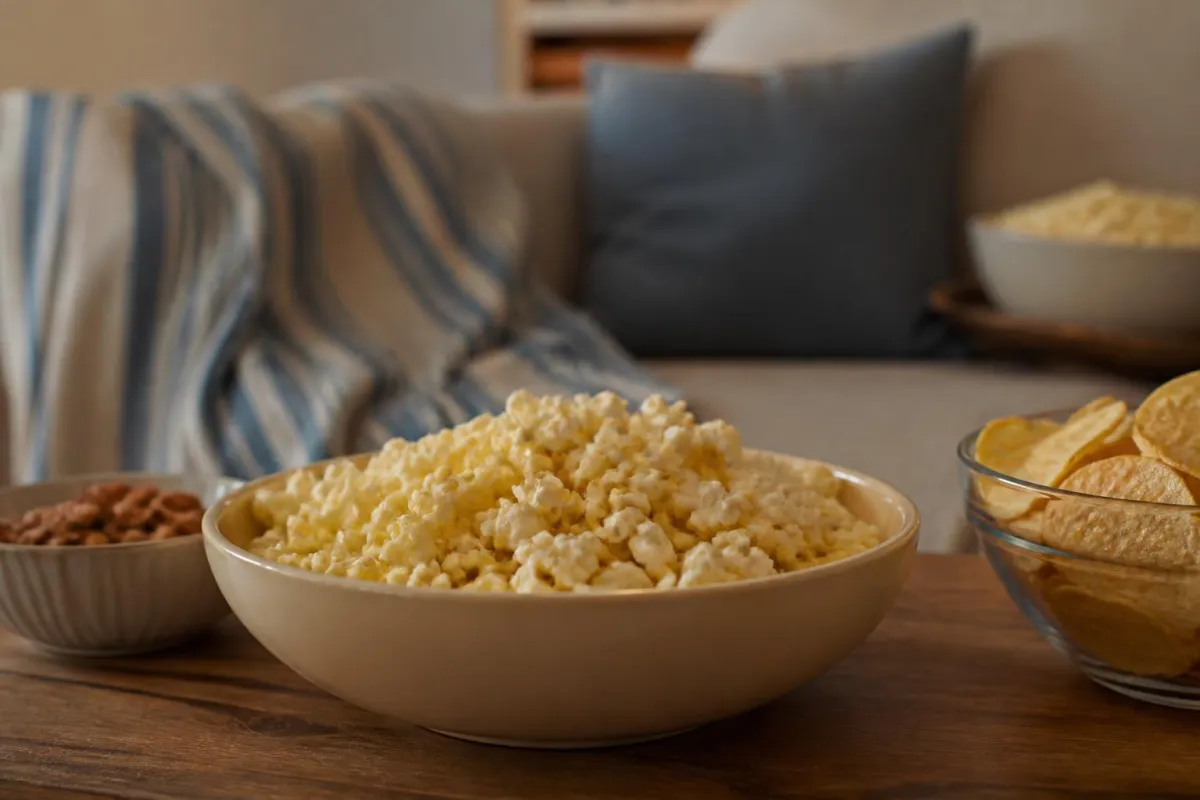
Hero illustration shows a movie-night setting; it is not a product test or a serving recommendation.
For a film at home, choose snacks you enjoy and compare the information on the packs. Start with the same measurement basis, then consider the quantity you plan to put in a bowl. A front-of-pack description alone cannot tell you which option suits you.
This guide offers general adult label-reading and planning ideas. It does not prescribe a portion, rank untested brands or recommend a diet for a medical condition.
Compare the same quantities
The NHS food-label guide explains that nutrition information is given per 100g or 100ml, and sometimes per portion. Start with per-100g figures when comparing similar foods. Comparing one product per portion with another per 100g mixes two different quantities.
Next, look at the weight of the manufacturer's stated portion. It might differ from the amount you plan to eat. If you are using a different amount, calculate from the per-100g figure rather than treating the printed portion as a recommendation for you.
For example, imagine a label lists 1g of salt per 100g. An illustrative 25g amount would contain 0.25g of salt: 1 multiplied by 25, divided by 100. Those are invented arithmetic inputs, not values for a particular product and not a suggested portion.
Our label guide and food comparison tools can help you practise that distinction using your own packet.
Check each product instead of ranking whole categories
Popcorn, crisps, nuts and crackers come in different recipes. Coatings, flavourings and other ingredients can change the nutrition information. A general category name is not enough to establish that one specific packet is lower in salt, sugar or saturated fat than another.
Pick the products you are actually considering, then compare the relevant rows. If you add a dip, spread or coating yourself, check that separately. The label on a plain cracker does not describe everything you put on it.
Likewise, “no added sugar” is not the same claim as “low sugar”. Look at the total-sugars line as well as the ingredients. Do not infer a product's free-sugar content from that total alone or assume that drying fruit makes all its sugars free sugars.
If nuts are one option, our guide to nuts and the wider diet sets out the limits of judging a food from a single nutrient.
Make the setup practical
The pack size, amount you want and storage arrangements matter as well as the label. Before starting the film, you could:
- Put the amount you want into a bowl, so it is easier to see what is there.
- Keep separate foods separate if people have different preferences or need to check ingredients.
- Keep the packets available for anyone who needs to read them.
- Follow refrigeration and use-after-opening instructions for dips or other chilled foods.
- Put remaining food away as its instructions require.
These are optional planning ideas, not rules about how everyone should eat. A bowl or a serving calculation is not a personal nutrition assessment.
Keep the wider context in view
The NHS Eatwell Guide describes balance over the overall diet, including across a day or week. You do not need to make one film-night snack represent every part of that guide.
For an allergy, check the actual ingredients and allergen information rather than guessing from the name or appearance. For a medical diet or other individual need, follow appropriate professional advice; this article cannot establish personal suitability.
Healthy Snacking publishes practical food information. Our editorial approach explains how we distinguish label calculations, general guidance and claims that need further evidence. For your next film, the useful starting point is a comparison you understand, with the packet and amount clearly identified.