How to read no added sugar baked bean labels
no added sugar does not mean sugar-free
On this page
- What no added sugar means on baked beans
- Why per 100g matters more than per serving
- What to check beyond the sugar claim
- Ingredients list
- Nutrition table
- Front and back recipe wording
- How baked beans fit into everyday eating
- Storage, leftovers and allergy checks
- Opened tins and leftovers
- Best before and pack condition
- Allergy and intolerance checks
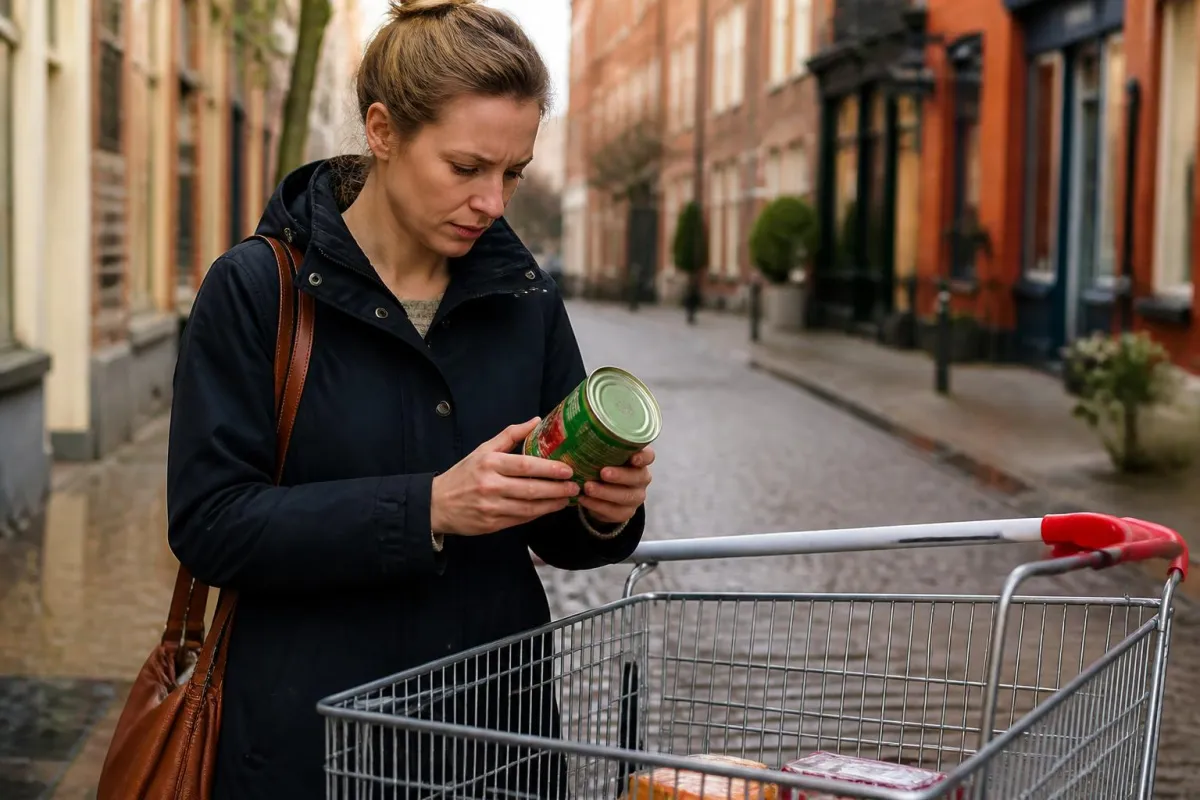
If you want to compare baked bean tins fairly, start with two parts of the label, the claim on the front and the nutrition table on the back. A front-of-pack claim such as no added sugar can be useful, but it does not tell you everything about how much sugar is in the food, how salty it is, or how one brand compares with another. For that, the most reliable place to look is the nutrition table, especially the values per 100g.
For baked beans, this matters because the beans themselves naturally contain some sugars, and recipes vary. One tin labelled no added sugar may still contain sugars from the beans or tomatoes. Another may use a different sauce, more salt, or a different texture. Reading the whole label gives you a clearer picture than relying on one claim alone.
What no added sugar means on baked beans
On baked beans, no added sugar usually means the manufacturer has not added sugars to the product recipe. In UK food labelling, and more widely under retained food information rules, that is about what has been added during manufacture, not a promise that the food contains no sugar at all. Beans and tomatoes naturally contain sugars, so the total sugar figure on the nutrition table may still be more than zero.
That distinction is the first thing to keep in mind. A tin of no added sugar baked beans is not the same thing as sugar-free beans. It is also not automatically the same thing as low-sugar beans. Those are different ideas, and the label claim only covers one of them. We have explained that difference in more detail in our guide to no added sugar and low sugar label claims.
This is also why two products can both say no added sugar and still have different total sugar values. The amount of tomato in the sauce, the type of bean, the thickness of the sauce, and recipe changes such as vegetable concentrates can all affect the final number shown in the nutrition table.
What the claim does not guarantee is just as important:
- It does not guarantee low total sugars.
- It does not guarantee low salt.
- It does not guarantee high fibre, although beans often contribute fibre.
- It does not tell you whether sweeteners have been used instead of sugar.
- It does not tell you whether the product suits your preferences for taste or texture.
In the UK, food labels must not mislead, and mandatory nutrition information helps you compare products. The NHS also advises using nutrition information to compare foods and notes that a portion and 100g are different comparison bases NHS food labels.
If you also buy products in the EU, the broad principle is similar, but exact presentation and accompanying wording can vary by market. For a UK shopper standing in front of a supermarket shelf, the practical point is simple. Treat no added sugar as one piece of information, not the whole story.
Why per 100g matters more than per serving
When you compare baked beans, per 100g is the cleanest starting point. It lets you compare one product with another on the same basis, even if the tin sizes differ or the suggested serving sizes are not the same.
This matters because per serving figures can make one product look better or worse simply because the manufacturer has chosen a different serving size. One label might use a smaller serving suggestion, another a larger one. If you compare those numbers directly, you are not comparing like with like.
The NHS is clear on this point. Use the nutrition information to compare foods, and remember that per 100g and per serving are different bases NHS food labels.
For baked beans, a practical comparison method is:
- Find the nutrition table.
- Look first at the values per 100g.
- Compare sugars, salt, fibre and, if relevant to you, protein and energy.
- Then check the per serving column only to understand what you are likely to eat in practice.
Using per 100g helps with common situations such as these:
- A standard tin versus a multipack mini tin.
- A supermarket own-label recipe versus a branded recipe.
- A thicker sauce versus a looser sauce.
- A can with a serving suggestion based on half the tin versus one based on the whole tin.
If one tin says 4g sugars per serving and another says 5g sugars per serving, that tells you very little unless the serving sizes are the same. If the first serving is much smaller, the lower number is not necessarily a lower-sugar product overall. The per 100g row strips that confusion away.
The same principle applies to salt. Baked beans are often discussed mainly in terms of sugar, but salt can vary meaningfully between recipes. If you only look at the front claim, you can miss that.
Per serving still has a place. It helps you estimate what you are actually eating if you usually have half a tin on toast, a whole small tin with a jacket potato, or a few spoonfuls as part of a larger meal. But for choosing between products on the shelf, per 100g is usually the better first check.
If you want a wider method you can use across different foods, our piece on how to compare no added sugar snacks without guesswork sets out the same comparison logic in more detail.
What to check beyond the sugar claim
Once you have looked at the no added sugar claim and the per 100g nutrition row, there are three more parts of the label worth checking, the ingredients list, the rest of the nutrition table, and any front or back wording about the recipe.
Ingredients list
The ingredients list tells you what is actually in the tin and in what order by weight at the point of manufacture. For baked beans, you will usually see beans, tomatoes or tomato purée, water, and seasoning ingredients. If the product is labelled no added sugar, check whether it contains sweeteners or ingredients used partly for sweetness, such as fruit or vegetable concentrates. Their presence does not automatically make the product unsuitable, but it does tell you more about how the manufacturer has built the flavour.
Also look for recipe differences that may affect what you are buying:
- Added starches or thickeners
- Vinegar or other acids
- Herbs and spices
- Smoke flavouring
- Sweeteners
- Reduced salt wording
- Added vegetables
These details help explain why two tins with similar sugar values may still taste and behave differently when heated.
Nutrition table
Beyond sugars, the most useful baked bean checks are often:
- Salt
- Fibre
- Protein
- Energy, if you want a fuller picture of the product rather than focusing on one nutrient
Salt is worth checking every time. A no added sugar claim does not mean low salt, and different bean recipes can vary. Fibre is also useful to note because beans are one of the foods that can contribute fibre to everyday eating patterns, although the exact amount differs by product.
Try not to reduce the label to a single pass or fail test. A product can have one feature you want, such as no added sugar, and another you may want to compare, such as salt. That is normal. Food labels are for comparison, not moral scoring.
Front and back recipe wording
Manufacturers sometimes add extra wording such as reduced sugar, reduced salt, rich tomato sauce, or high fibre. These claims may be relevant, but they still do not replace the need to read the actual table and ingredients.
If a label highlights one nutritional point loudly on the front, it is often worth checking whether another point is less prominent. That is not a sign of wrongdoing. It is simply how packaging works. The label is there to be read as a whole.
For a broader look at making lower-sugar comparisons without relying on front-of-pack impressions, see our guide on choosing lower-sugar snacks without label guesswork.
How baked beans fit into everyday eating
Baked beans are an ordinary cupboard food, not a nutritional verdict on your whole diet. They can be part of straightforward meals at home, at work, or when you want something quick that needs little preparation. The more useful question is not whether baked beans are good or bad, but how they fit into the rest of your day or week.
The NHS Eatwell Guide frames balance across an overall eating pattern, not as something every single food has to achieve on its own NHS Eatwell Guide. That is a helpful way to think about baked beans.
In practical adult eating, beans might appear:
- On toast as a quick meal
- Alongside eggs or mushrooms at breakfast
- With a jacket potato
- As part of a simple work lunch
- Added to a bowl with vegetables and another staple food
The label helps you decide which tin you prefer buying regularly. It does not need to carry the burden of judging your whole diet.
A few practical points help keep this grounded:
- If you eat baked beans often, compare labels once and remember which products suit you.
- If you eat them occasionally, a small difference in one nutrient may matter less than whether the food is convenient and likely to be used.
- If you are choosing between products, compare on the basis you actually care about, usually per 100g sugar and salt first, then ingredients and fibre.
This matters especially for people trying to organise food at work or while travelling. A stable cupboard option can be useful because it reduces the need to improvise meals from whatever is available. That does not make baked beans a complete meal, but it can make them a practical component of one. For readers planning food around workdays, our guide to practical snacking at work covers the same idea of using labels and convenience without turning food into a rules system.
At Healthy Snacking, our aim is to make these decisions easier to interpret, not stricter. A tin of beans with no added sugar can be a sensible choice if that is a feature you want. It is also fine to read the label, note the differences, and decide that another version suits your routine better.
Storage, leftovers and allergy checks
Once you have chosen a product, the label still matters after purchase.
Opened tins and leftovers
If you do not use the whole tin, follow the pack instructions for storage after opening. In general, opened food should be chilled appropriately and used within the time stated on the packaging. The Food Standards Agency gives consumer guidance on chilling, freezing and defrosting food safely, and the key practical point is to store food as instructed and keep it properly chilled Food Standards Agency food storage guidance.
For baked beans, that usually means not leaving leftovers sitting out for long and transferring them as directed if the packaging says to do so. Exact instructions vary by product, so the pack should be your first check.
Best before and pack condition
Before using any tin, check that the packaging is in good condition. If a can is damaged, bulging, or leaking, do not assume it is fine because the contents are shelf stable. Also check the date marking and the storage wording on the label.
Allergy and intolerance checks
Baked beans are often simple, but simple does not mean automatic suitability. Always read the ingredients list and allergen information each time you buy, especially if you are managing a food allergy or intolerance in your household. Recipes can change, and own-label lines can differ from one retailer to another.
The Food Standards Agency consumer guidance is clear that ingredient and allergen information matters, and people should use the label rather than infer suitability from general assumptions Food Standards Agency consumer allergy guidance.
That is particularly relevant for:
- Mustard or spice ingredients in some sauces
- Cross-category assumptions, such as expecting all baked beans to have the same recipe
- Product reformulations over time
We do not treat a general article like this as individual allergy advice. The safe habit is to check the actual pack in front of you.
Reading labels on no added sugar baked beans is mostly about not stopping at the headline claim. Start with the front, then turn to the nutrition table, compare per 100g, and check ingredients, salt, fibre and storage instructions. That gives you a realistic view of what you are buying, without over-interpreting one phrase on the tin.
Healthy Snacking is published by Fleeta Limited to help with this kind of everyday label reading. Where evidence is clear, we point to it. Where a claim says less than it first appears to, we say that too.